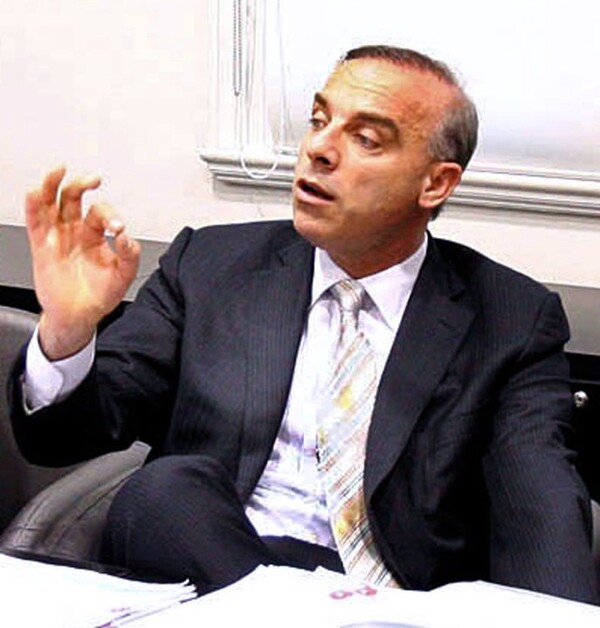
The government argues that the updated and transparent scheme can stimulate consumption and reduce labor costs, while unions warn of a possible disguised deregulation.
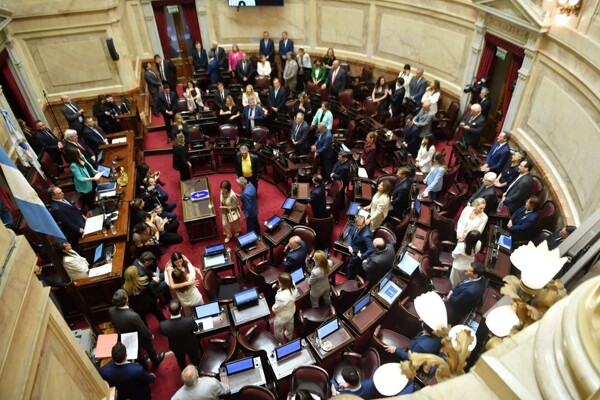
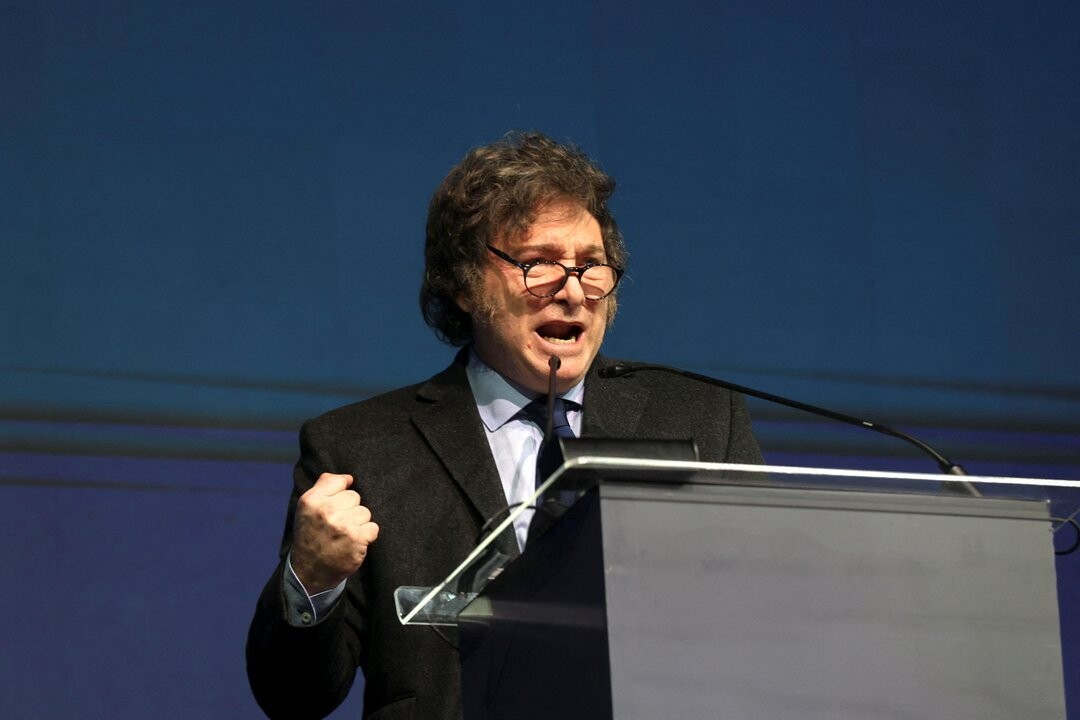
End of the ultra-activity of collective agreements The principle that keeps Collective Labor Agreements active once they have expired is eliminated. Buenos Aires, February 11 (NA) – The national government is set to take the first concrete step towards a comprehensive reform of the labor relations system, when the Senate begins to debate the project promoted by President Javier Milei.
From the ruling party, as learned by the Argentine News Agency, they maintain that it is an unprecedented modernization that will favor the formalization of employment, while unions and Peronism reject it as regressive in terms of rights.
In this context, the CGT launched a plan of struggle that includes a mobilization and warned that, if it cannot stop the law, it will seek to limit its application and then proceed through the judicial route.
Extended probation period The period is doubled from three to six months for most workers and is extended to eight months in the agricultural sector. The government argues that it will allow greater organizational flexibility, especially in activities with strong seasonality.
If approved, unions will have to renegotiate the Collective Labor Agreements before a deadline or lose what was agreed upon, falling under general regulations.
Severance pay and fines in installments Payment of termination indemnities and labor fines in up to 12 monthly installments is authorized, without the need for an agreement with the worker.
Limits on union activity Union assemblies are strictly regulated and must have prior employer authorization and not affect the company's operations. Additionally, the worker will not receive a salary during the duration of the assembly, one of the most controversial points for the unions.
Restrictions on strike measures The text toughens sanctions against blockades and actions that prevent the entry or exit of people and goods from establishments. During that period, the employer may dismiss the worker without indemnity or cause.
Caps on indemnity calculation The project sets a limit of ten years of seniority for calculating the indemnity and replaces the best remuneration of the last year with an average salary.
In an inflationary context, unions warn that the mechanism reduces the final amount to be received and postpones its collection. While the government assures it has the votes to move forward, the reform arrives at the chamber surrounded by union resistance and with the certainty that, even if sanctioned, it will open a new chapter of political, judicial, and social conflict.
For micro and small enterprises, the scheme can be extended up to 18 installments.
It also explicitly prohibits any form of intimidation towards those who do not adhere to a strike.
- "The solution is not union, it is political," they repeat in the labor center, even though they admit that union pressure capacity is not what it was in other historical periods.
With last-minute changes and a climate of strong political uncertainty, these are the eight central points of the labor reform that have the greatest impact:
-
Fragmented vacations The initiative allows for dividing vacations into minimum periods of one week.
-
Return of food vouchers The project again authorizes food vouchers as non-remunerative benefits, without social security contributions and without impact on bonuses or indemnification.